Revealing the Secrets to Effective Building Inspections in Southern London
When it comes to purchasing or renovating a real estate in the South London area, having a thoroughly detailed understanding of property surveys is crucial. The region is known for its rich history and diverse architecture, from charming Victorian houses to modern developments. Therefore, it is important for potential homeowners and landlords alike to unlock the valuable insights that a qualified building survey can provide. Whether you are a first-time buyer or a experienced investor, navigating the nuances of owning property in South London demands attentive consideration and local expertise.
Property surveys serve as a protection against unexpected surprises, allowing buyers to make educated choices and ensuring that renovations adhere to local codes. From spotting the signs of settlement in antique homes to understanding the nuances of party wall agreements, the insights gained from these surveys can greatly impact your financial commitment. In this article, we will explore various aspects of building surveys in South London, clarifying what you need to know before making a decision regarding a property purchase or remodeling effort.
Crucial RICS Home Surveys
When acquiring a property in South London, understanding the importance of a RICS Home Survey cannot be ignored. This impartial inspection ensures that potential buyers are aware of any hidden issues that may not be immediately visible. For a region as eclectic as South London, with its mix of Victorian homes and modern buildings, a RICS Home Survey provides a thorough overview of a property's condition, allowing consumers to make knowledgeable decisions and avoid financial surprises in the future.
RICS Home Surveys differ in scope and thoroughness, with different types available depending on the property's age, condition, and the buyer's requirements. A Level 2 survey offers a thorough visual inspection suitable for conventional homes, while a Level 3 survey provides an elaborate report ideal for more complex properties, such as older Victorian houses or those undergoing renovation. Understanding important site and selecting the suitable survey level can significantly impact the buyer's knowledge and certainty during the buying process.
In South London, where real estate transactions can be challenging, having a RICS Home Survey can act as a powerful negotiating tool. Armed with in-depth findings about required repairs or ongoing issues, buyers can discuss with sellers for price reductions or demand that repairs be made before the sale finalizes. Ultimately, investing in a RICS Home Survey helps secure one of the most significant investments a person will make in their lifetime, ensuring peace of mind in the busy property market of South London.
Typical Challenges in South London Homes
South London is known for its beautiful Victorian and Edwardian homes, but these properties often come with their own set of challenges. One typical issue is dampness, which can manifest as rising damp or infiltrating moisture. Older buildings may have inadequate ventilation, leading to mold growth and compromised interiors. Homeowners should be diligent about inspecting lower levels and ground floors, particularly during rainy conditions, to resolve any indications of moisture swiftly.
Subsidence is another issue, particularly in older buildings where foundations may be compromised over time. Signs of foundation issues include fractures in walls, uneven floors, and doors or windows that do not open easily. Since South London has diverse soil types, it is important for potential buyers to understand the geological conditions in their area. Engaging a certified surveyor can help detect these issues before they escalate, ensuring the property continues to be a reliable investment.
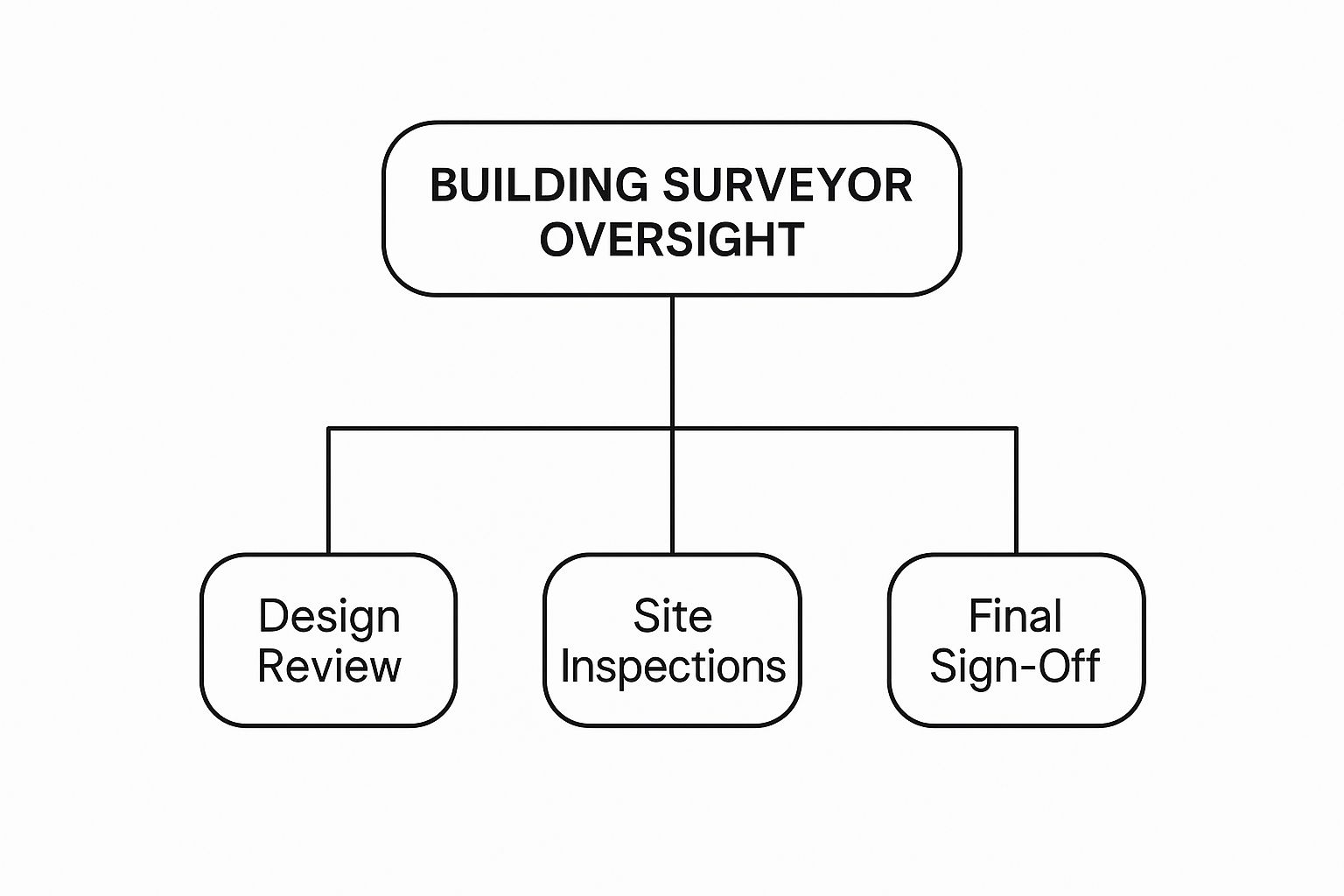
Lastly, the risk for building problems is substantial in South London homes due to age and renovation history. Issues like roof issues, chimney issues, and defective foundations can pose risks not only to the stability of the building but also to the safety of its residents. Homebuyers should consider thorough building surveys to uncover these latent problems, enabling them to make wise decisions and set aside funds for necessary fixes.
Navigating through Construction Codes and Permissions
When planning any construction project in South London, being aware of construction regulations and approvals is important. These regulations ensure that any work done comply with environmental standards. They encompass everything from structural safety and energy conservation to fire regulations and accessibility. Before initiating any project, homeowners must verify whether their project requires a building permit or can proceed under permitted development rights.
Obtaining the right permissions can be a complex process, often requiring detailed plans and documentation. A key step is consulting with a chartered surveyor or a planning consultant who can provide professional guidance. They can help navigate the often intricate requirements specific to various London boroughs, simplifying the process and ensuring compliance with local regulations. This local knowledge is invaluable, as regulations can vary significantly from one area to the next.
Once permissions are obtained, it's important to keep ongoing contact with your surveyor and local authority. This ensures that all work adheres to the approved plans and meets the necessary standards. Failing to comply with construction codes can lead to expensive fines and the need for costly corrections, ultimately jeopardizing your property's safety and value. Proper navigation of this landscape can help ensure your project is successful and wrapped up without unnecessary setbacks or issues.